
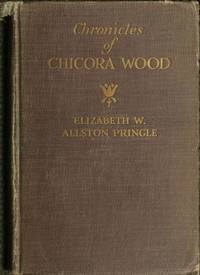
Chronicles of Chicora Wood by Elizabeth W. Allston Pringle
Elizabeth Pringle's Chronicles of Chicora Wood is a unique window into a lost world. It's her own account of growing up as the daughter of a wealthy planter on the South Carolina coast in the 1850s. The book is built from her childhood memories, painting a vivid picture of daily life on a vast rice plantation. She describes the beauty of the Lowcountry landscape, the rhythms of the agricultural year, and the intricate social world of her family. We see her world through the eyes of a sheltered, observant girl, filled with details about gardens, holidays, and family lore.
Why You Should Read It
This book is powerful because it operates on two levels. On the surface, it's a detailed, affectionate memoir of a specific time and place. Pringle's writing is clear and often charming. But the real weight of the book comes from what she doesn't fully confront. She writes fondly of the enslaved people who raised her and worked the land, yet she cannot—or will not—grapple with the inhumanity of the system that made her idyllic childhood possible. Reading it today, you become a detective of perspective. You appreciate her firsthand descriptions while constantly aware of the larger, cruel truth framing every story. It's this uncomfortable, honest tension that makes the book so valuable and thought-provoking. It's not a history lesson; it's a human document from the heart of a conflicted history.
Final Verdict
This book isn't for everyone. If you want a straightforward, critical history of the antebellum South, look elsewhere. But if you're a reader fascinated by personal narratives, historical memory, and the complex ways people remember their pasts, this is a must-read. It's perfect for history buffs who want to move beyond dates and battles to understand the feel of a society, and for anyone interested in memoirs that don't offer easy answers. Be prepared to sit with its contradictions. You won't agree with Pringle's worldview, but you'll come away with a deeper, more nuanced understanding of how that world was lived, remembered, and ultimately, mourned by those within it.
This digital edition is based on a public domain text. It is available for public use and education.
Lucas Brown
11 months agoLoved it.


Christopher Lewis
7 months agoHigh quality edition, very readable.