
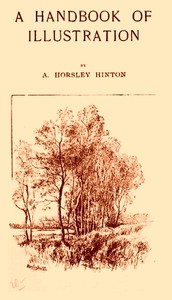
A Handbook of Illustration by A. Horsley Hinton
Published in 1904, this isn't a novel. Think of it as a masterclass in a vanished craft. A. Horsley Hinton, an expert illustrator and editor, wrote this guide for fellow artists and commercial printers. It's a complete, practical manual for turning an idea into a printed image.
The Story
The 'story' here is a technical journey. Hinton starts with the basics of drawing for reproduction, then dives deep into the major printing methods of his day. He explains wood engraving—carving an image into a block of wood. He details lithography, where you draw on stone with a greasy crayon. Most intriguingly, he covers early photomechanical processes, where photography began to merge with printing. The book is packed with specifics: what inks to use, how to prepare a plate, how to correct mistakes. It follows the life of an illustration from the artist's first sketch to the final, inky impression on a page.
Why You Should Read It
I loved this book for its tangible sense of craft. In our world of instant digital copies, Hinton's world is one of physical skill, chemical baths, and careful pressure. His writing is clear and confident, like a seasoned teacher showing you the ropes. You get a real respect for the illustrators whose work filled Victorian magazines and books. This handbook shows you the immense effort behind every single picture. It turns a simple sketch in a history book into a minor miracle of technology and art.
Final Verdict
Perfect for artists, printmakers, graphic designers, or anyone with a curiosity about how things used to be made. It's a must-read for history lovers interested in technology and media. If you enjoy seeing the nuts and bolts behind artistic magic, you'll find this handbook utterly absorbing. It's a specialist's guide, but written with an accessible warmth that invites anyone in. Just be ready for a lot of talk about acid, rollers, and boxwood!
There are no legal restrictions on this material. Use this text in your own projects freely.
George Flores
1 year agoI had low expectations initially, however the emotional weight of the story is balanced perfectly. Definitely a 5-star read.
Ethan Martinez
1 year agoText is crisp, making it easy to focus.

Deborah Clark
1 year agoPerfect.